Understanding Recession Indicators in Canada
As Canada's economy continues to evolve, understanding recession indicators is crucial for individuals and businesses to make informed decisions. A recession is a period of economic decline, typically defined as a decline in gross domestic product (GDP) for two or more consecutive quarters. Recession indicators are economic metrics that signal a potential downturn, allowing policymakers, investors, and consumers to prepare and respond accordingly.
Identifying Recession Indicators
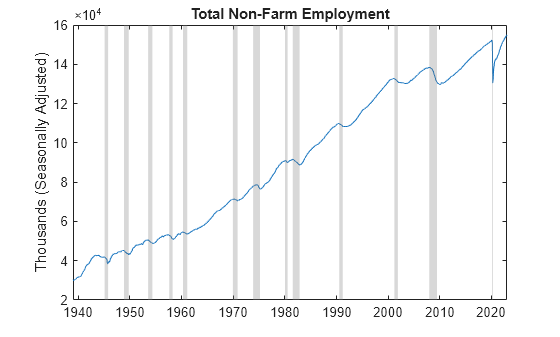
Recession indicators can be categorized into two main types: leading and lagging indicators. Leading indicators, such as changes in stock market performance, consumer confidence, and housing market trends, can signal a potential recession before it occurs. Lagging indicators, like unemployment rates and GDP growth, typically confirm a recession after it has begun. By monitoring these indicators, Canadians can gain valuable insights into the economy's direction and make strategic decisions to mitigate potential risks.
Evaluating the Current Economic Landscape
Canada's economy has experienced fluctuations in recent years, with periods of growth and decline. To navigate this complex landscape, it's essential to stay informed about the latest economic trends and data. By analyzing recession indicators, Canadians can better understand the factors driving economic change and adjust their financial plans accordingly. This may involve diversifying investments, reducing debt, or seeking professional advice to optimize financial resilience.
Implications for Canadians
The implications of a recession can be far-reaching, affecting not only the broader economy but also individual households and businesses. During a recession, Canadians may experience reduced income, decreased consumer spending, and increased unemployment. However, by being proactive and informed, individuals and businesses can take steps to minimize the impact of a recession. This may involve developing contingency plans, exploring new markets or revenue streams, and maintaining a long-term perspective to weather economic uncertainty.

Selecting the Right Strategies
To effectively respond to recession indicators, Canadians must select the right strategies for their unique circumstances. This may involve consulting with financial advisors, conducting thorough market research, and staying up-to-date on the latest economic news and trends. By adopting a proactive and informed approach, individuals and businesses can navigate the complexities of a recession and position themselves for long-term success. Key considerations may include diversifying investments, reducing debt, and prioritizing financial flexibility to adapt to changing economic conditions.
Conclusion
In conclusion, understanding recession indicators is essential for Canadians seeking to navigate the complexities of the economy. By monitoring key economic metrics, evaluating the current landscape, and selecting the right strategies, individuals and businesses can make informed decisions to mitigate potential risks and capitalize on opportunities. As the Canadian economy continues to evolve, staying informed and proactive will be crucial for building resilience and achieving long-term financial goals.
Compare Recession Indicators - MATLAB & Simulink
Compare Recession Indicators - MATLAB & Simulink
Recession Indicators - Advanced Projections

Recession Indicators - Advanced Projections
Economic Recession Indicators: Heed The Warning Signs
Economic Recession Indicators: Heed the Warning Signs